
One system, set up for the asset you run.
The same nodes and console, configured for a specific job. These are the deployments operators run today.
Pipelines, the power grid, end-of-life energy assets and the water.
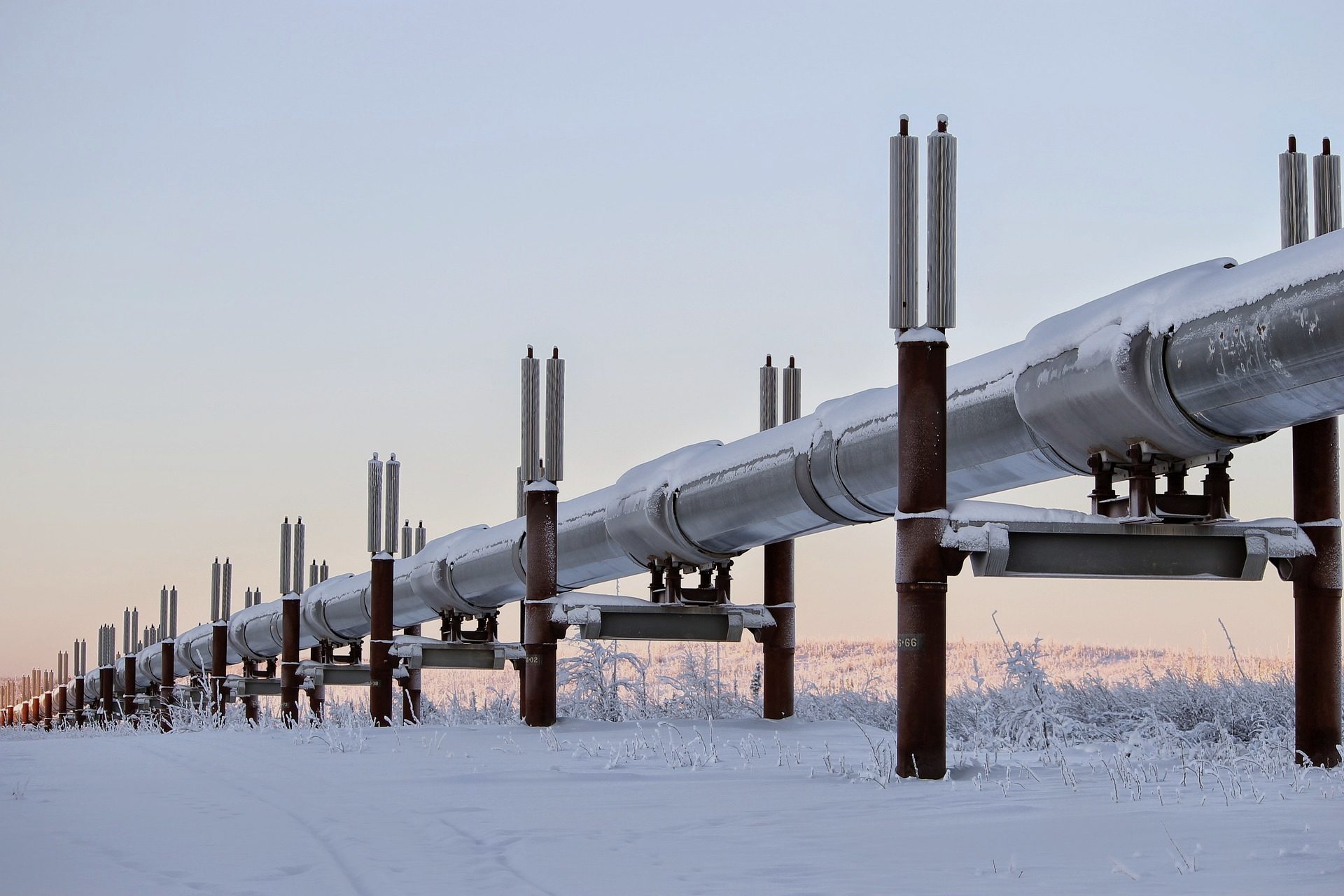
Continuous, zero-trust pipeline monitoring
Gas leaks, intrusion and ground movement, watched every hour instead of every patrol.
Explore pipeline monitoring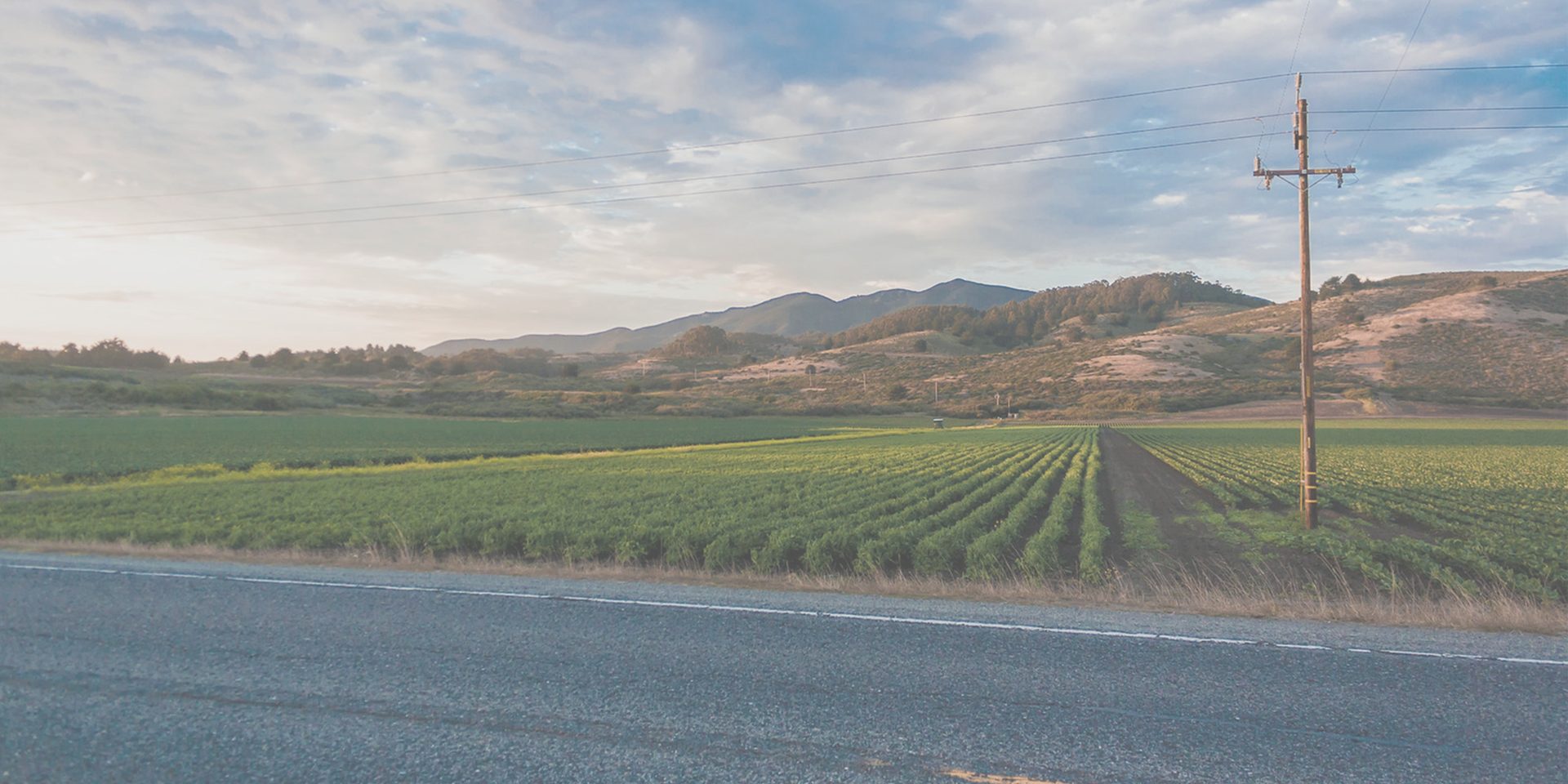
Zero-trust monitoring for the transmission grid
Vegetation, structure condition, wildfire ignition and intrusion, watched every hour instead of every few years.
Explore grid monitoring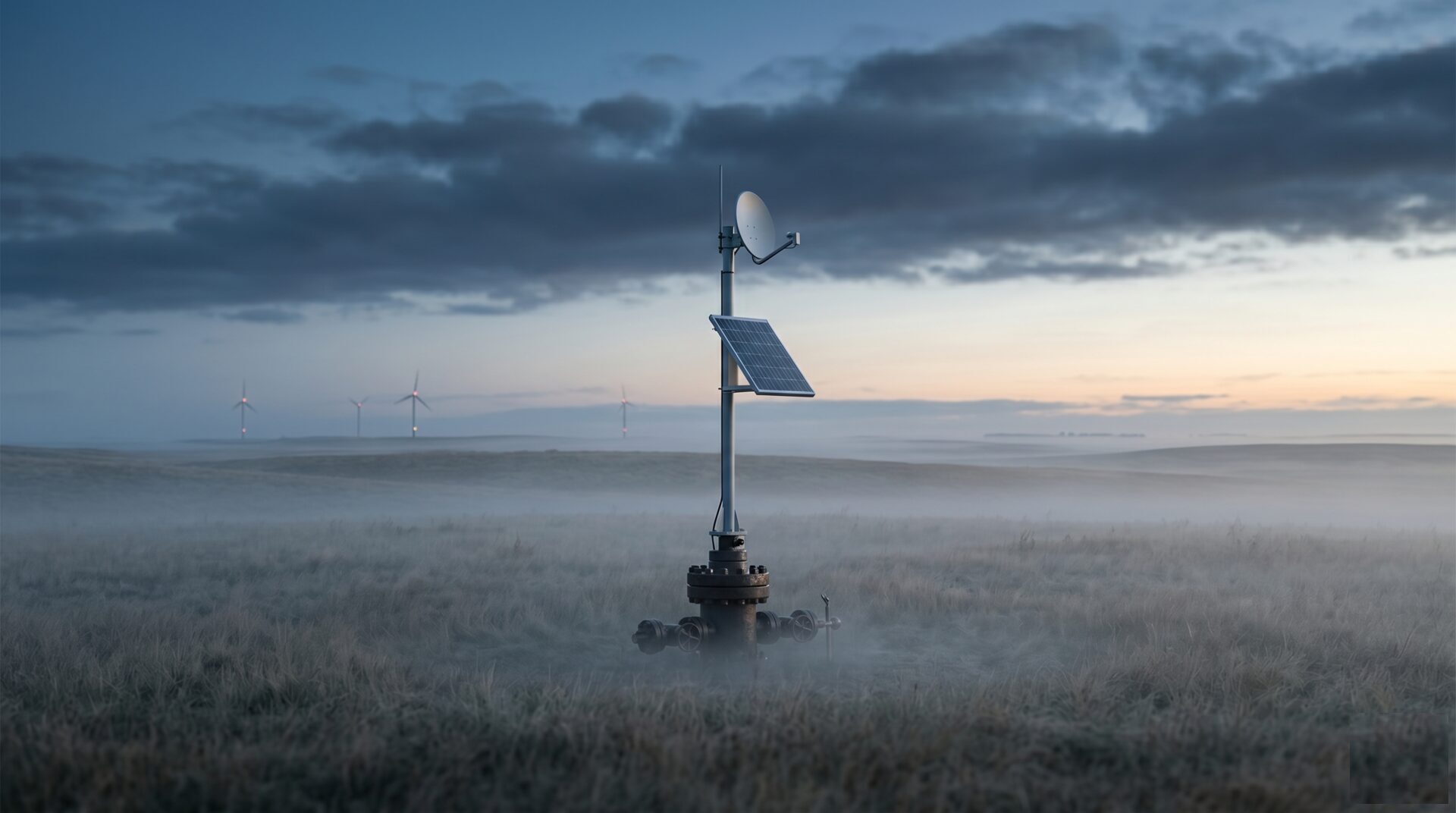
Well-battery storage and carbon corridors
Old wells put back to work as long-duration storage, and corridors managed for carbon and habitat. We supply the monitoring that proves both.
Explore energy transition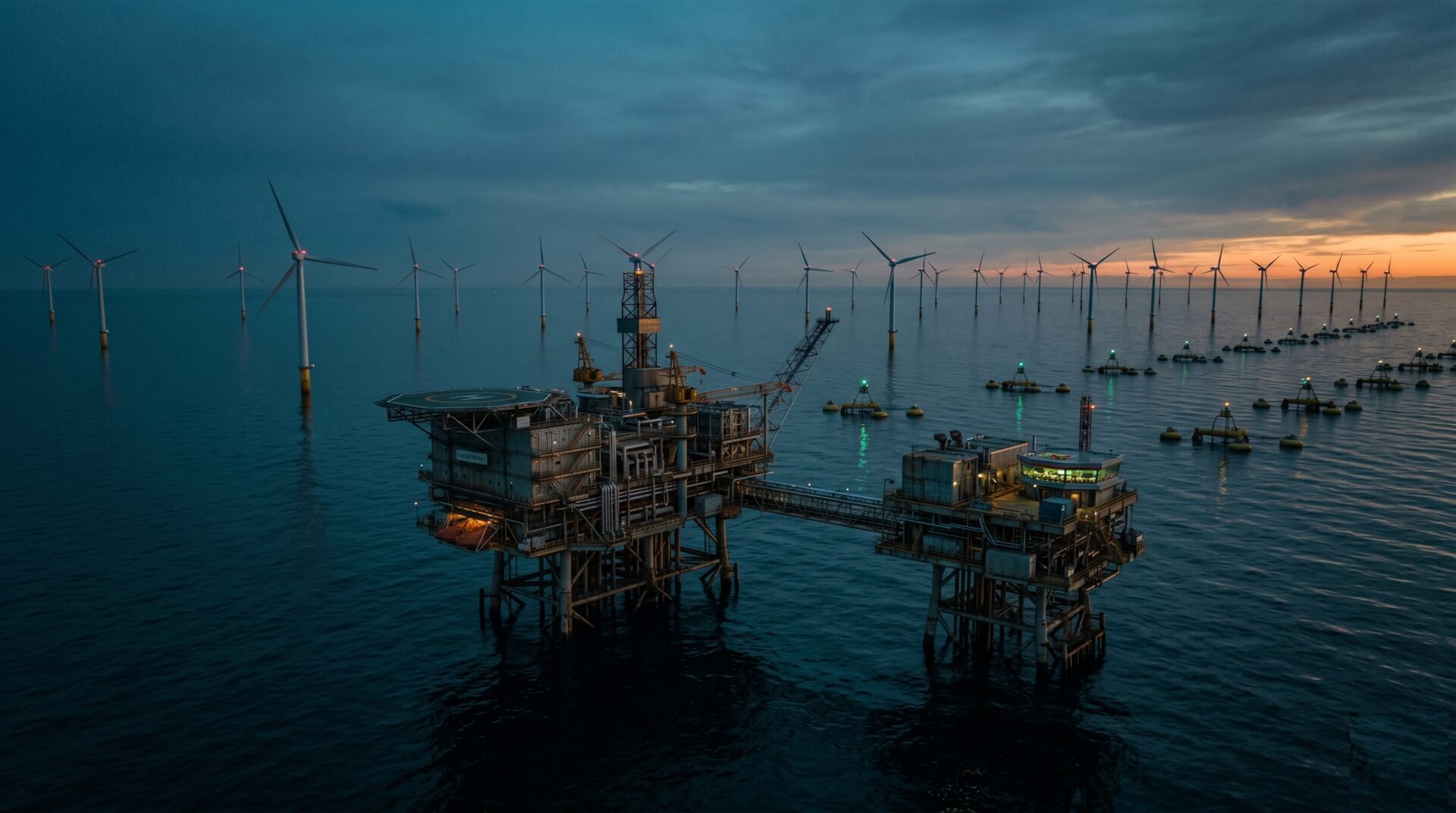
Met-ocean monitoring for platforms & wind farms
Wind, waves, current and subsea conditions, measured from the structure itself with no crew aboard.
Explore offshore wind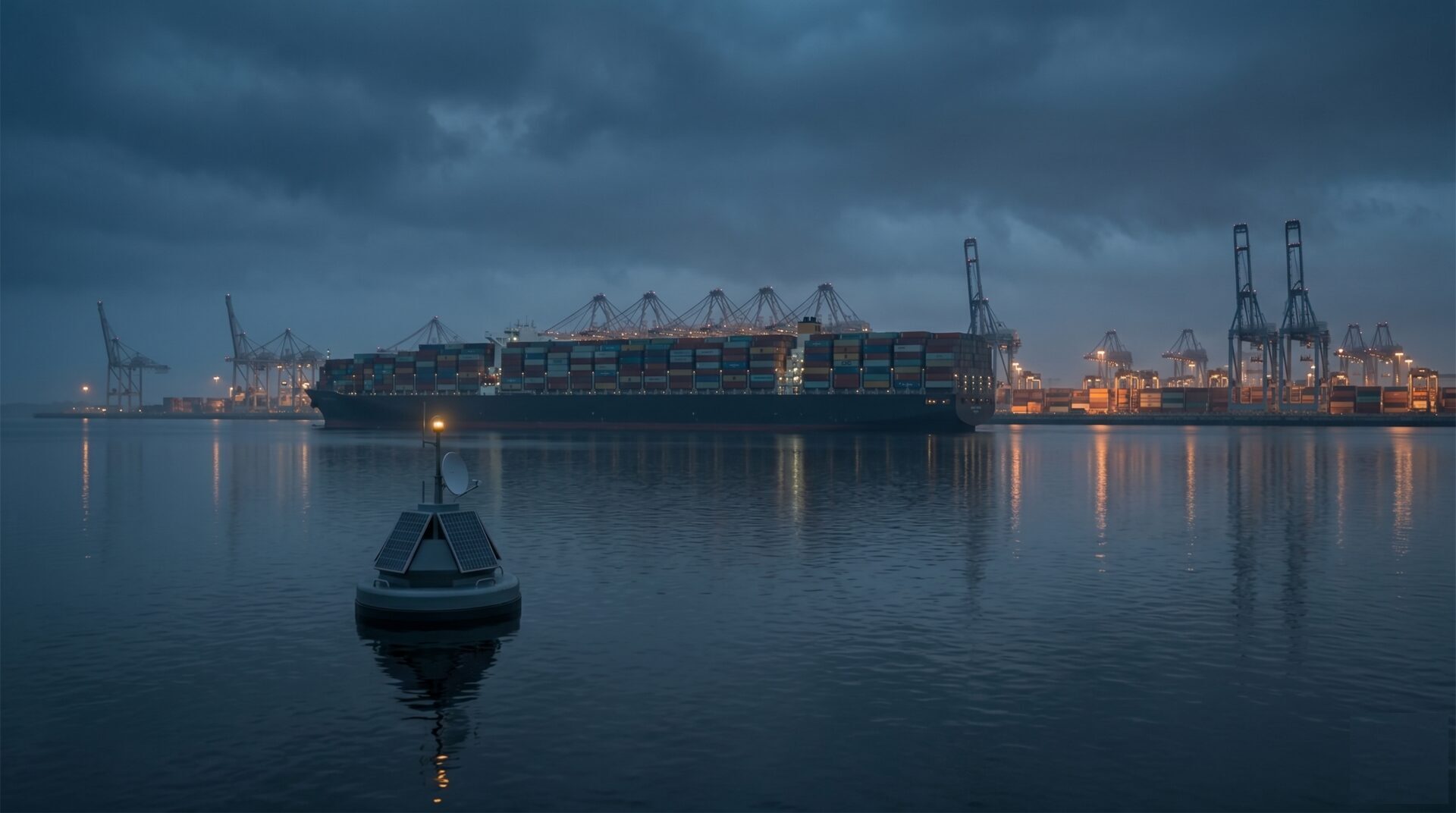
A sensor node for ports and approaches
Solar-powered, satellite-connected and able to launch drones. It carries the network out onto the water.
Explore the smart buoyYour asset isn't listed.
The node is built to be configured. If patrols and satellites can't cover your site, tell us about it and we'll work out a setup.