
Catch the fault before it takes the line down.
Most of the grid is inspected every few years. Vegetation contact, structure failure and intrusion happen any day. Overwatch puts a continuous, zero-trust watch on the towers and the spans between them.
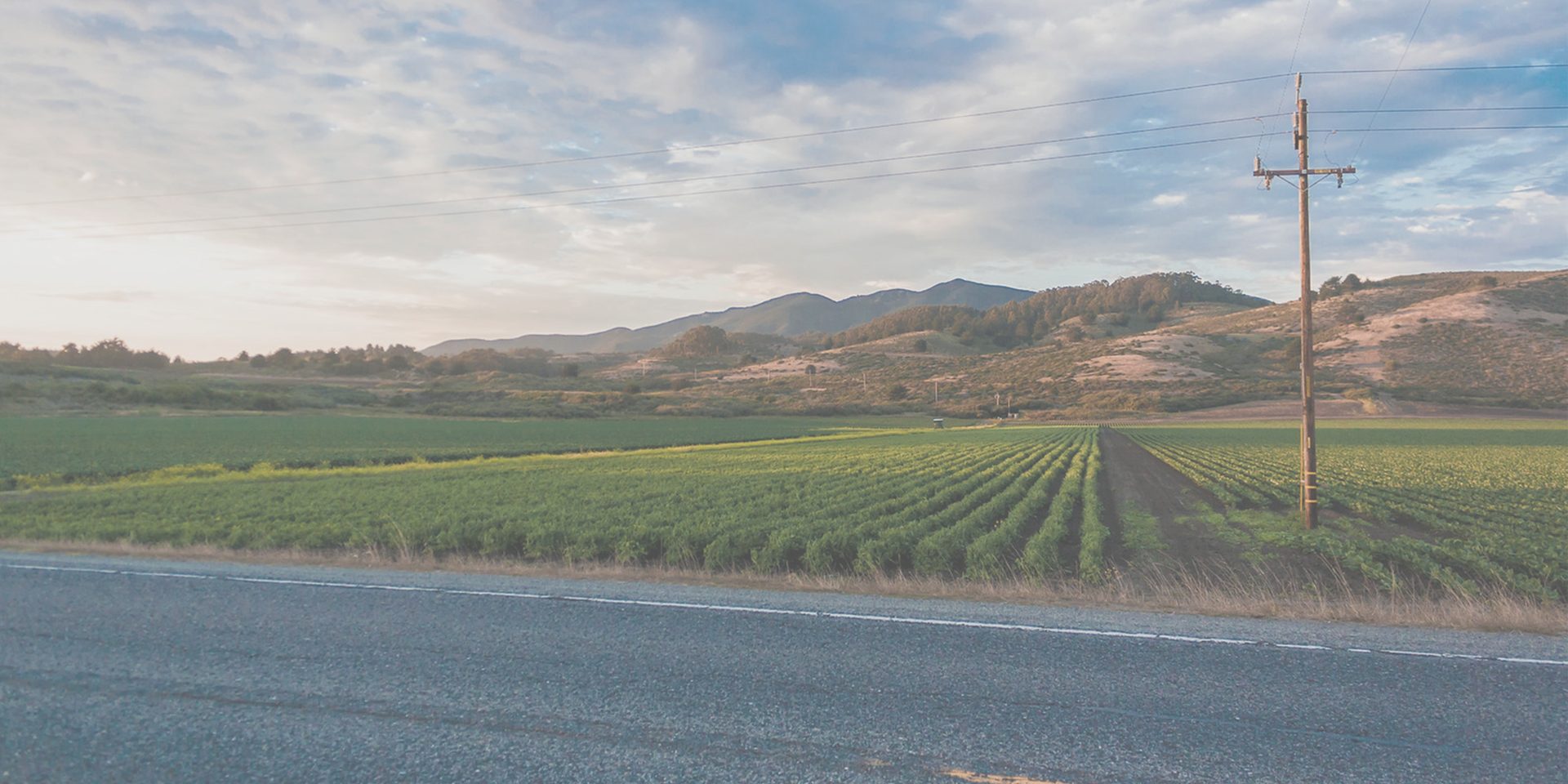
Millions of miles of line, watched between inspection cycles.
Millions of miles, inspected every few years.
A multi-year inspection cycle misses brush growing toward a conductor, a leaning structure, or an intruder at a remote tower. It also misses the first minutes that decide whether a spark becomes a wildfire.
miles of transmission and distribution line in the US alone
the window in which an ignition can still be contained
structural and environmental watch
Eyes on every tower and every span.
Each node, mounted on the structure or beside the corridor, runs optical, thermal, LiDAR and environmental sensing with AI on board. Solar power and multi-link radios reach the remote spans where the grid is most exposed.
The same device covers structural condition, public safety and ESG reporting.
Vegetation encroachment
Camera and LiDAR track growth toward the conductors before contact. Vegetation is the leading cause of outages and ignitions.
Structure & conductor health
Tower tilt, conductor sag and structural fatigue, tracked against a baseline to catch failure early.
Wildfire ignition detection
Thermal and smoke detection flags an ignition while one crew can still put it out.
Intrusion & asset security
Flags intrusion, theft and tampering at towers and substations. Raw video stays on site.
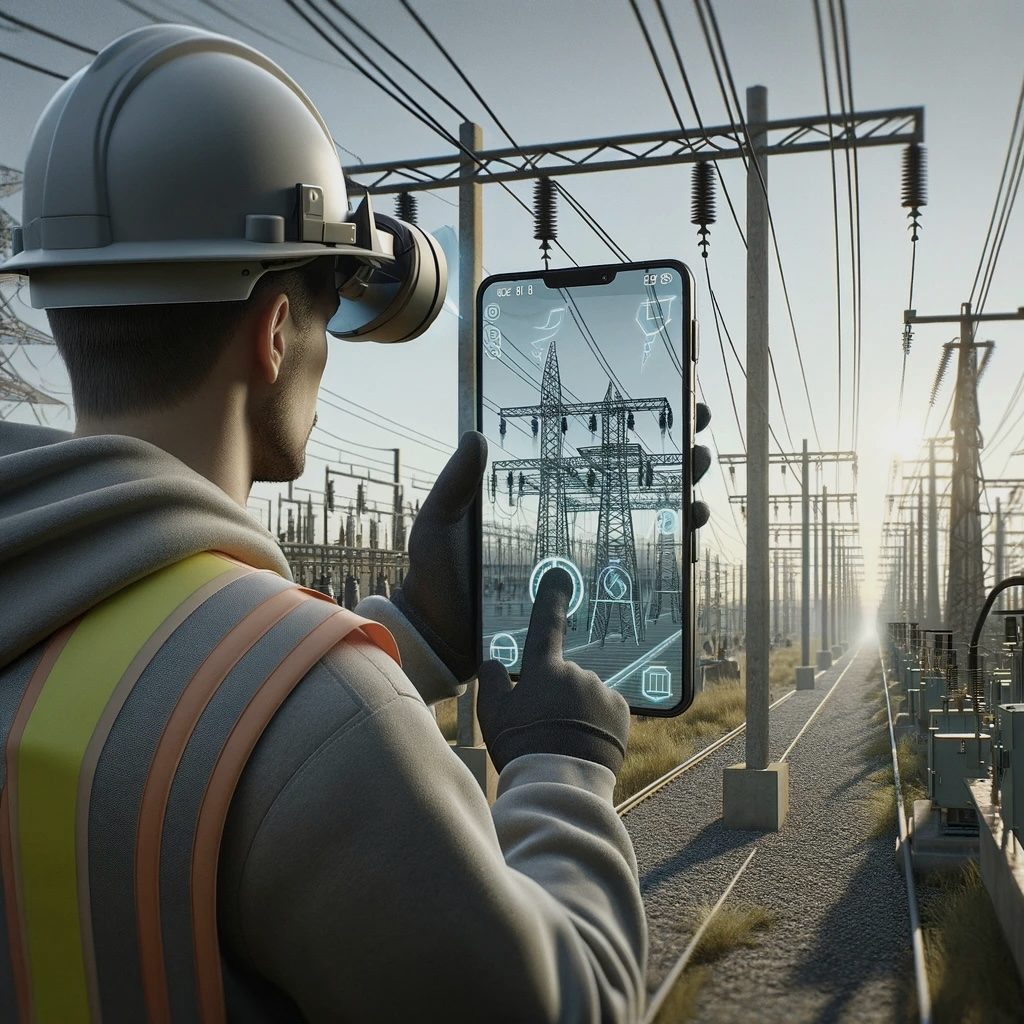
The crew sees what the sensors see, laid over the structure in front of them.
Into the control room, not another silo.
Alerts land in SCADA, GIS and outage management, tied to the structure and the span.
SCADA & GIS integration
Every event carries the structure ID and the circuit.
Wildfire & dispatch routing
Ignition alerts go straight to CAD and dispatch with live imagery attached.
Field apps & AR
Crews see the live picture at the structure, with offline sync for remote spans.
Compliance & PSPS support
Records for vegetation and wildfire-mitigation programs, and data for public-safety power shutoff decisions.
Put continuous eyes on the line.
If your inspections run every few years and the risk doesn't wait, let's scope a deployment on your highest-priority corridors.