
A second life for end-of-life energy assets.
Idle wells and energy corridors can earn again. Lenders want proof they are safe and performing. Overwatch supplies the autonomous monitoring that gives them that proof.
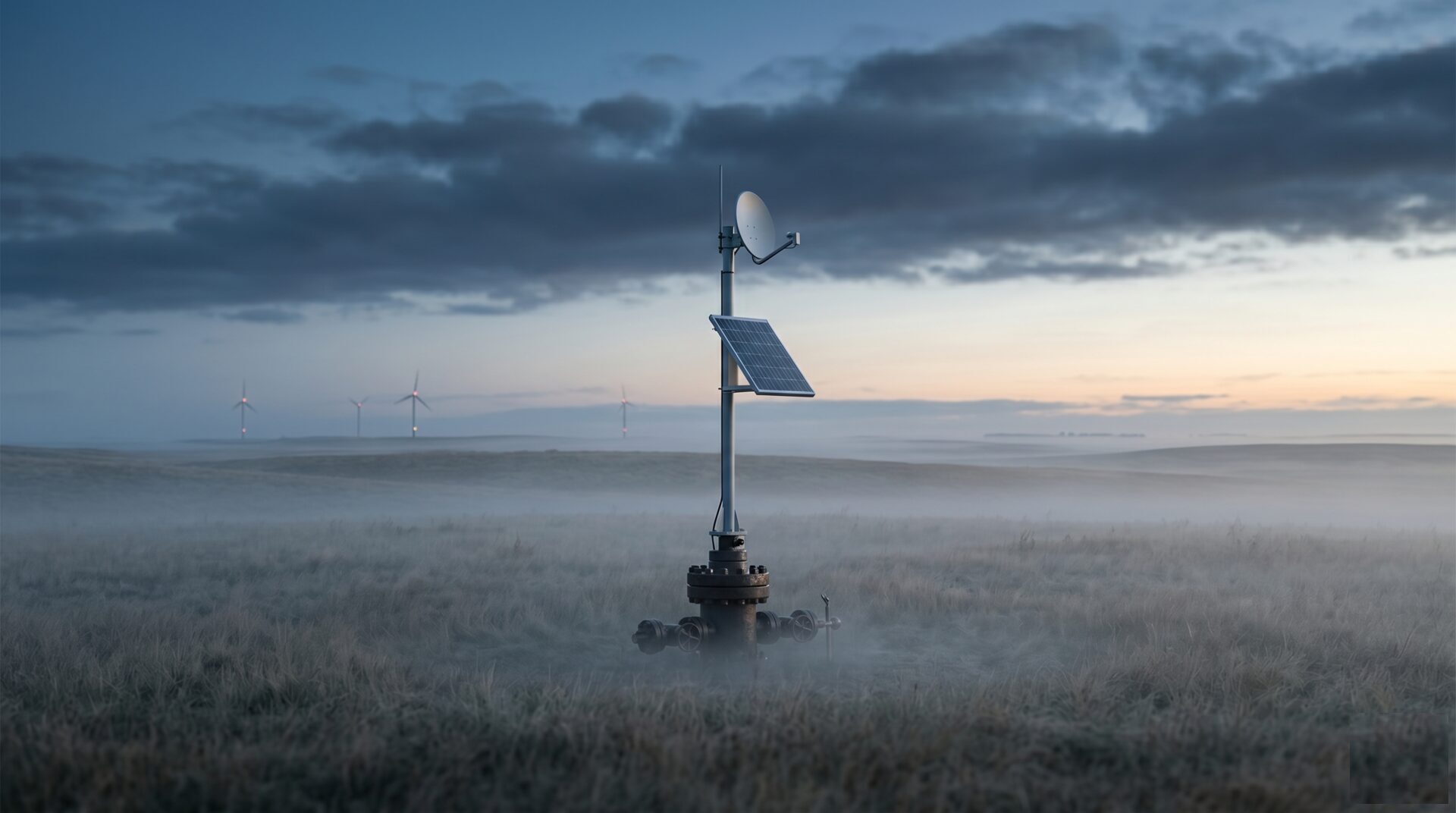
A well slated for plugging, now a long-duration battery, monitored from the pad.
Old liabilities, put back to work.
Plugging idle wells and mowing corridors is pure cost. Repurposed, the wells store energy and the corridors store carbon, as long as each site can be shown to be safe and performing.
idle and unplugged wells that could store energy
gravity storage in repurposed wellbores
carbon and biodiversity data, measured continuously
The wellbore becomes the battery.
A decommissioned well becomes a gravity battery. It raises a heavy mass when power is cheap and lets it down to drive a generator when the grid needs it. No exotic chemistry, no new land.
Solar-powered, satellite-connected nodes on the pad show that each unattended site is contained and performing.
Storage-site integrity
Wellhead pressure, annulus and ground movement, logged continuously to show the well stays contained.
Cycle & performance monitoring
Charge and discharge tracked against a baseline, so faults show up before they cost availability.
Emissions & environment
Infrared and AI vision build the methane leak record regulators increasingly require.
Distributed at fleet scale
Hundreds of scattered sites from one console, with no crew on a rotation.
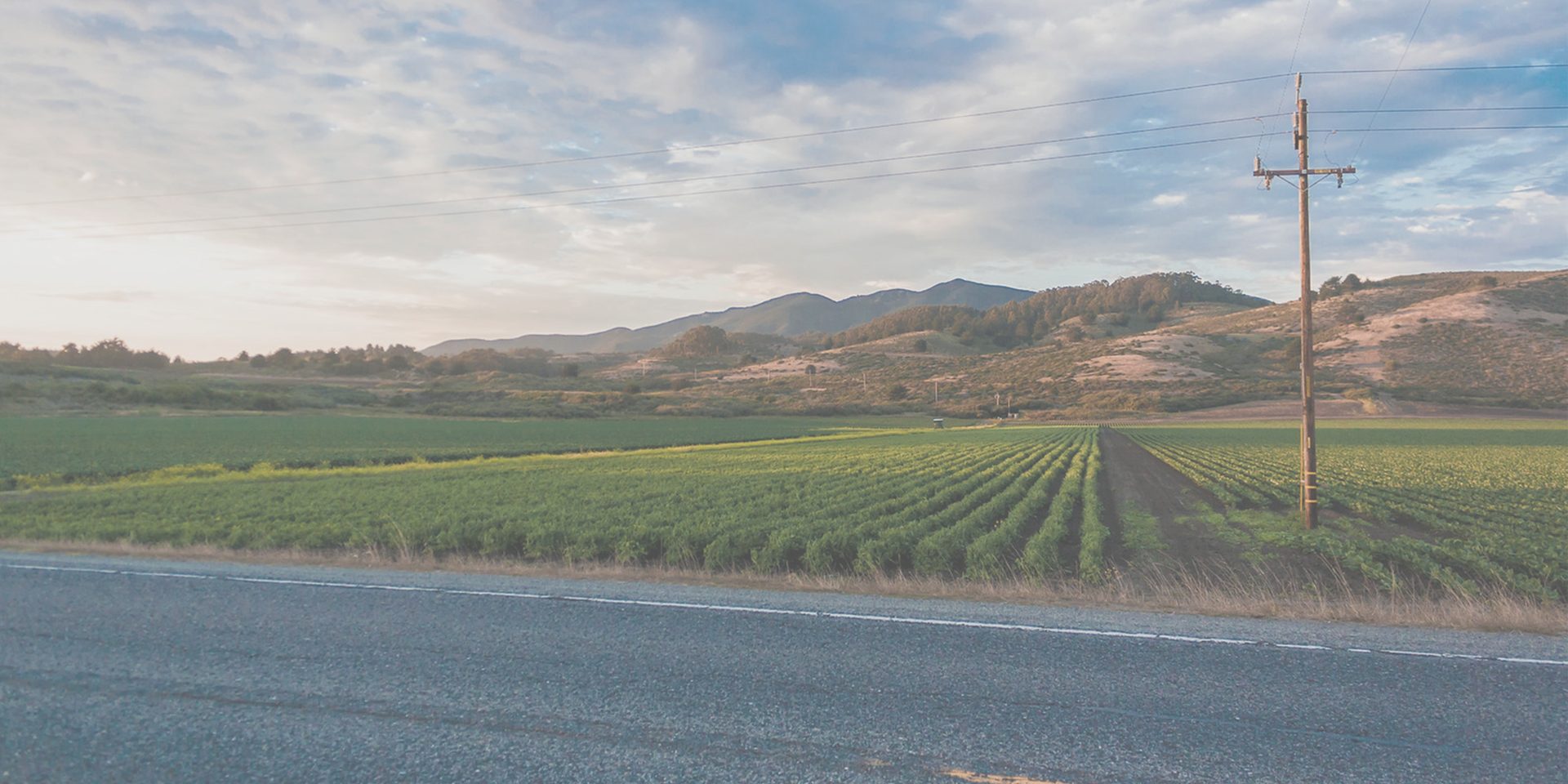
Manage the corridor as habitat as well as a hazard.
The right-of-way becomes a carbon and habitat asset.
Pipeline and transmission right-of-way covers millions of acres, most of it mowed as a cost. Managed as native habitat, the same land stores carbon and rebuilds biodiversity.
Carbon and biodiversity only count if they are measured. Nodes along the corridor keep that ESG-grade record every day.
Vegetation & carbon
Vegetation health, growth and biomass. Field data behind each carbon claim, not a yearly estimate.
Pollinators & species activity
Detects and classifies pollinator and species activity on restored right-of-way.
Wildlife populations
Tracks wildlife over time while the same node guards the asset.
Verifiable ESG record
Time-stamped, location-tagged results for reports, credits and stakeholders.
Built for sites with nobody on them.
Repurposing only pays if the monitoring runs by itself, can be trusted and costs little to scale. The system was built for that.
Autonomous power
Solar-first nodes run for years with no grid connection and no scheduled site visits.
Edge AI
The node decides in seconds. Summaries go to the cloud, raw video does not.
Zero-trust security
No device gets a credential without explicit human approval.
Make the second life bankable.
Monitoring is what turns a repurposed well or corridor into an asset you can measure and finance. Let's scope it.